
Mosquito Season in Cincinnati, Ohio: When It Peaks and How to Protect Your Yard
Need Same Day Service? We Can Help.
Call Us Now at 283-444-9183.
When Mosquito Season Starts and Ends in the Cincinnati Area
Mosquito season in Cincinnati runs from late April through early October, with peak activity in July and August. The Ohio River Valley location gives the Cincinnati area a warmer, more humid baseline than northern Ohio, which means mosquito populations establish earlier in spring and stay active longer into fall. Homeowners in Hamilton, Warren, Butler, and Clermont counties can generally expect 5 to 6 months of consistent mosquito pressure each year.
Activity first ramps up when average overnight temperatures hold above 50°F — typically in the last two weeks of April in the Cincinnati area. By late May, populations are well established in areas with standing water. The period from late June through August is when biting pressure is highest and West Nile Virus transmission risk is elevated, according to the Ohio Department of Health.
Cincinnati timing vs. northern Ohio: Because Cincinnati sits roughly 250 miles south of Cleveland and is influenced by the Ohio River's humidity, mosquito season here runs approximately 3 to 4 weeks longer than in Columbus or Cleveland. If you see mosquito control advice calibrated to "Ohio" generally, the Cincinnati window is longer.
Why the Ohio River Valley Makes Cincinnati a Higher-Risk Area
Cincinnati's position along the Ohio River creates breeding conditions that many inland Ohio cities do not face at the same intensity. The Ohio River and its tributaries — the Little Miami, Great Miami, and Mill Creek — produce humid air that slows evaporation in low-lying neighborhoods. Standing water that dries up in a week in Columbus may persist for two or three weeks in lower-elevation areas of Hamilton County near the river.
Floodplain communities, neighborhoods near retention ponds, and older developments with less-graded drainage are the areas where Cincinnati homeowners tend to see the most significant mosquito pressure. Springboro, Mason, and West Chester — while elevated above the river — still see substantial activity from suburban storm drainage and irrigation.
The Two Mosquito Types Cincinnati Homeowners Deal With Most
Two species dominate in the Cincinnati area, and they behave differently enough that understanding both matters for yard management.
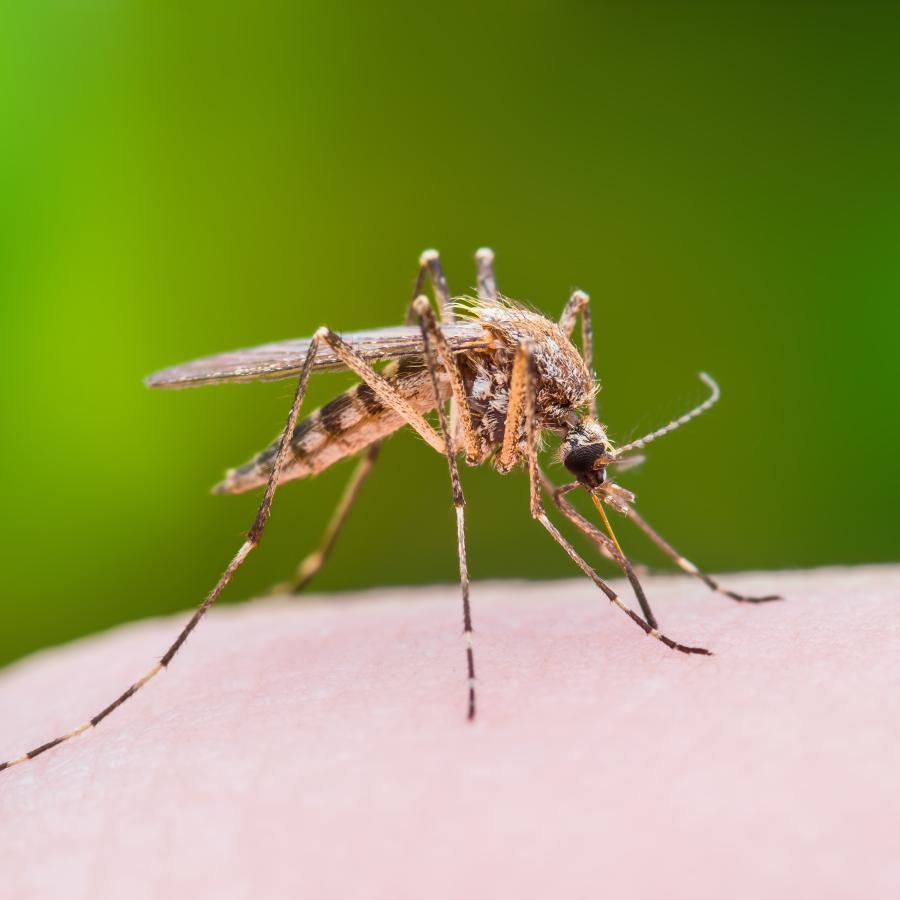
- Culex mosquitoes are the primary West Nile Virus vector in Ohio. They breed in stagnant, nutrient-rich water — think clogged gutters, bird baths, or standing water in containers — and are most active from dusk to dawn. These are the mosquitoes responsible for most disease transmission in the region.
- Aedes mosquitoes (specifically the Asian tiger mosquito, Aedes albopictus) are the aggressive daytime biters that have expanded their range northward and are now established throughout Hamilton, Warren, and Butler counties. They breed in very small amounts of water — a bottle cap holds enough — and bite throughout the day.
Most DIY yard sprays and candles are aimed at Culex activity after dark. They provide little protection against Aedes mosquitoes during afternoon hours, which is when most homeowners with kids are actually in the yard.
What Actually Reduces Mosquito Pressure (and a Common Myth)
A widespread belief is that planting citronella or burning citronella candles provides meaningful outdoor mosquito protection. Published research does not support this. Studies measuring citronella candles against control candles found no significant reduction in mosquito landing rates at distances beyond about 3 feet. Citronella oil applied directly to skin shows short-duration repellent effects, but the plant itself and candles made from it are not effective yard-wide barriers.
What does reduce mosquito populations around a home:
- Eliminating standing water every 7 days, including gutters, saucers, tarps, and birdbaths
- Trimming dense shrubs and groundcover where adult mosquitoes rest during the day
- Running professional barrier spray treatments that target resting sites on vegetation
- Using BTI (Bacillus thuringiensis israelensis) dunks in ornamental ponds or slow-draining areas
Professional barrier spray programs apply insecticide to the underside of foliage around the yard perimeter and resting areas. Applied every 3 to 4 weeks through mosquito season, a consistent program keeps adult populations suppressed significantly better than any single application or DIY product.
When to Call for Professional Mosquito Control
Professional mosquito control in Cincinnati makes the most difference for homeowners who spend significant time outdoors, have young children or elderly family members, or have properties with features that create persistent breeding conditions — ponds, wooded borders, or drainage that holds water for more than a week. A single treatment provides some relief, but recurring monthly service through mosquito season is what keeps populations suppressed consistently.
If you are seeing heavy mosquito activity in the afternoon, Asian tiger mosquitoes have likely established breeding sources very close to the home — within 200 to 300 feet. That is a sign that inspecting and eliminating micro-breeding sources needs to happen alongside any spray treatment for it to hold.
Frequently Asked Questions: Mosquitoes in Cincinnati, Ohio
When does mosquito season officially end in Cincinnati?
Mosquito activity in the Cincinnati area slows significantly once overnight temperatures consistently drop below 50°F, which typically happens in late September or early October. A hard frost kills adult mosquitoes, but eggs can survive winter and hatch the following spring. Effective mosquito control programs run from May through September for full-season coverage.
Is West Nile Virus a real risk in the Cincinnati area?
West Nile Virus is present in Ohio every summer, with human cases reported in Hamilton and surrounding counties most years. The Ohio Department of Health tracks mosquito surveillance data throughout the season. Risk is highest from mid-July through September. Culex mosquitoes, which feed primarily on birds and humans at dusk and dawn, are the primary transmission vector in the region.
How often does professional mosquito treatment need to be applied?
Barrier spray treatments remain effective for approximately 21 to 28 days under normal conditions. Rain can reduce efficacy faster. For consistent suppression through peak season (June through September), treatments every 3 to 4 weeks provide the best results. A one-time treatment before a specific outdoor event can also be effective for short-term relief.
Do mosquitoes breed in swimming pools?
A properly maintained, chlorinated swimming pool does not support mosquito breeding. Mosquitoes require still, untreated water to breed. However, pool covers that collect standing water, pool equipment that holds water, and adjacent drainage areas can become breeding sites. Keeping the pool running and water moving eliminates the risk from the pool itself.
Ready to Take Back Your Yard This Mosquito Season?
Dealing with heavy mosquito pressure around your Cincinnati home — or just want a yard you can actually use this summer? D-Bug Pest Control offers professional mosquito control treatments backed by a service warranty. Call us at 283-444-9183 or get a free estimate below.
Get a Free Estimate